
Habital restoration
Wildflowers, Wetlands & Wildlife


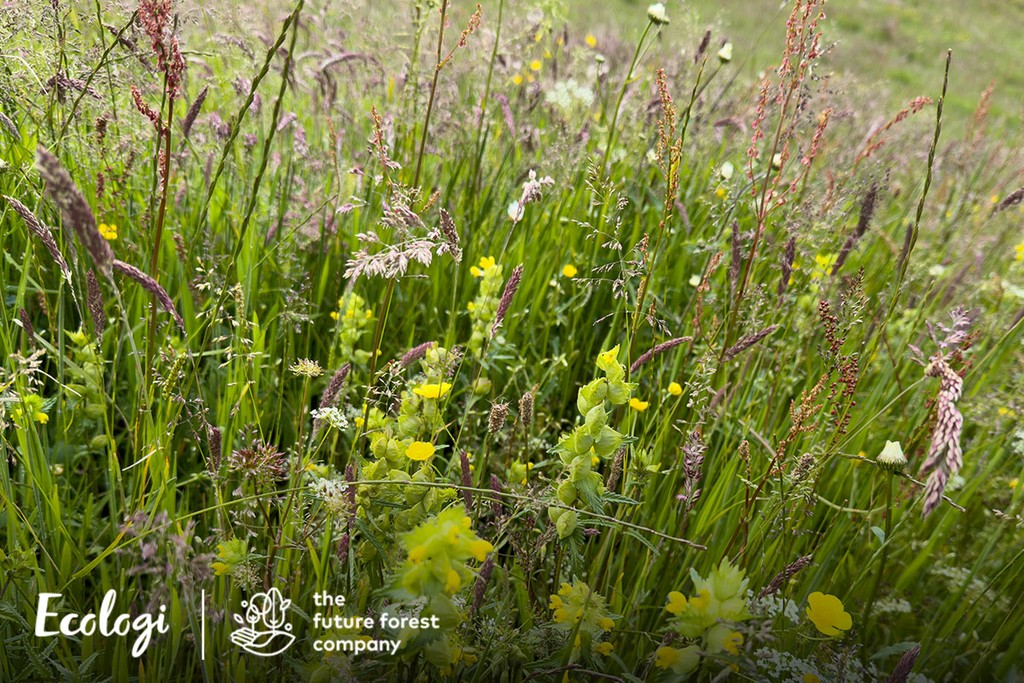


Biodiversity in the UK brings so many benefits – stunning landscapes, iconic wildlife, and clean air and water, not to mention the carbon sequestration capabilities of healthy habitats that help us to limit climate change. But the UK’s biodiversity is under immense pressure. In fact, 50% of the UK’s biodiversity has been lost since the Industrial Revolution. Consequently, the UK ranks in the bottom 10% of all countries when it comes to biodiversity intactness. The main factors contributing to this shocking decline are intensive agricultural management, climate change, hydrological changes by humans, urbanisation, invasive non-native species, pests and pathogens, pollution, and poor woodland management.
However, there are plenty of projects across the UK aiming to reverse this trend. By supporting the restoration of habitats that are vital for biodiversity, as well as for ecosystem services like flood prevention, we can secure the future of the UK’s wildlife and the landscapes that benefit us all.
Why support UK wildflowers?
Wildflowers in the UK have fared particularly badly over the last few decades – 97% of wildflower meadows have been lost since the 1930s. This staggering statistic illustrates the immense pressure on native flower species and the animals that rely on them to survive.
Why support wetlands?
Wetland habitats are in considerably worse condition than they were at the beginning of last century. It’s estimated that up to 90% of lowland ponds were lost during the 20th century. 300,000 hectares of lowland wet grassland were lost between 1970 and 1985, and 1.5 million hectares of upland blanket peatland were drained post the Second World War too. These habitats are particularly important for carbon storage, as well as providing a home for invertebrates that are vitally important for supporting the health of entire ecosystems.
Why support woodland protection
Ancient woodlands are vital habitats for lots of wildlife, especially rare lichens, such as the Norwegian specklebelly, and fungi, such as Hazel Gloves. Conserving these areas also helps protect healthy soils. This helps to improve the ability of the land to capture and store carbon.
Removal of invasive Rhododendron, protection from too many grazing animals, and careful tree planting are necessary to protect mature alder, oak and hazel woodlands, and the native species these trees support, including rare species of bats, lichens, fungi, and birds, as well as red squirrels.
Current focus: Wildflower Meadow Enhancement at Dumyat
At their Dumyat site near Menstrie in the Ochil Hills, The Future Forest Company is restoring two adjoining grassland areas into thriving lowland meadows rich in native wildflowers, pollinators, and birdlife.
Once species-poor, these fields supported just 4–7 plant species per m² when first surveyed. Since 2022, gradual restoration has been underway, with Highland cattle introduced to create varied sward structure, their ecologist and local volunteers planting wildflower plugs, and community partners carrying out butterfly, bee, moth, and bat monitoring.
Over the next 10 years, they’ll continue transforming the 5.9-hectare area into a diverse wet-meadow habitat by:
Maintaining light, seasonal cattle grazing after hay cuts to encourage varied vegetation.
Avoiding fertilisers and chemicals to allow native species to re-establish naturally.
Re-sowing local provenance wet-meadow seed mixes in 2025 and beyond.
Monitoring wildflowers, pollinators, and bats annually to track biodiversity uplift.
This steady, nature-led approach aims to shift the grassland from poor/moderate to good condition, achieving around 50–800 % biodiversity uplift (Defra metric), while strengthening pollinator networks and soil health across the Dumyat landscape.
Project timeline
24 Oct 2024
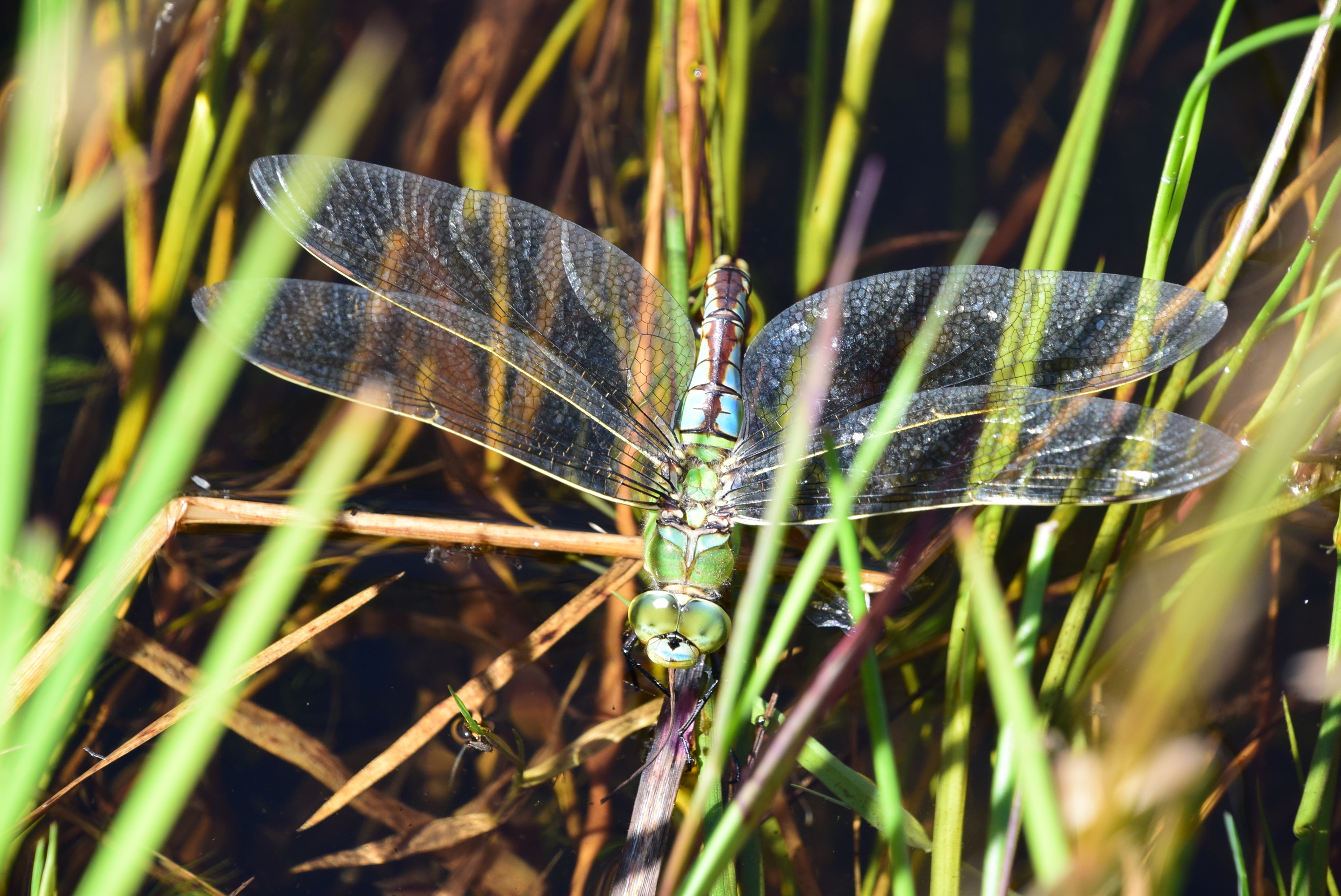
The ponds created by FFC at Mill of Plunton site in 2023 have a new resident - Emperor Dragonflies are now calling the site home!
24 Oct 2024

Having planted 500 common rock rose plants which is an important breeding ground and food source for this rare butterfly, FFC monitoring has found 17 Northern Brown Argus eggs at Dumyat. This butterfly had been absent from the region for over a century!
1 Jun 2024

FFC's hard work removing gorse and preventing overgrazing has enabled one of the UK's rarest plants to thrive at Dumyat. Local conservation volunteers led by FFC's Head of Ecology identified over 10,000 flowering stems, triple the amount found in 2013!
10 May 2024

Great Crested Newts have been confirmed to be living in newly created ponds at Mill of Plunton. Traditional surveying combined with eDNA sampling has proven that these rare and protected creatures have made the site their home, which is a great indicator that the water is very healthy.
16 Nov 2023

A camera trap set up by a newly-created pond at FFC's Mill of Plunton site has captured some great animal encounters! It has spotted Roe deer, Grey herons, and Brown hares to name a few.


UN Sustainable Development Goals
The work being delivered through this project is contributing to both local and global solutions. On a global scale, 2 of the UN's SDGs are being supported by this project.

Restoring wetlands, peatlands, and woodlands enhances their ability to absorb and store atmospheric carbon, helping to mitigate climate change.

Restoring wildflower meadows, wetlands, and woodlands directly contributes to reversing biodiversity loss in the UK. Restored ecosystems improve soil quality, water purification, and ecosystem stability, which are vital for long-term land sustainability.
About
Live
2023
Wildflowers, Wetlands & Forest protection
13
15
Fund this project
This project is supported in our UK Nature Fund in the impact shop.
Impact partner

The Future Forest Company run award-winning landscape-scale nature restoration and reforestation projects to fight climate change and help nature thrive.